Quantitative MRI (SoQut Imaging 2017-2021)
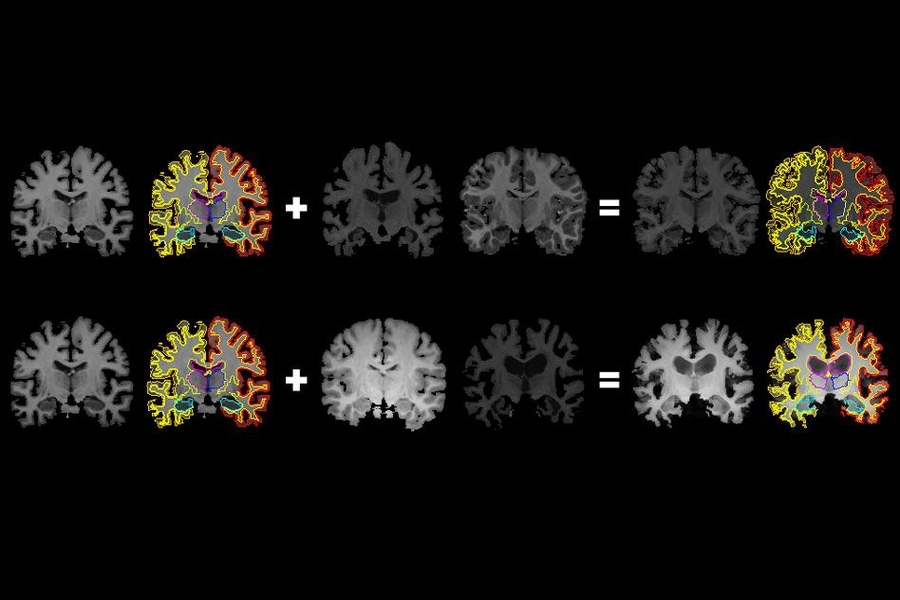
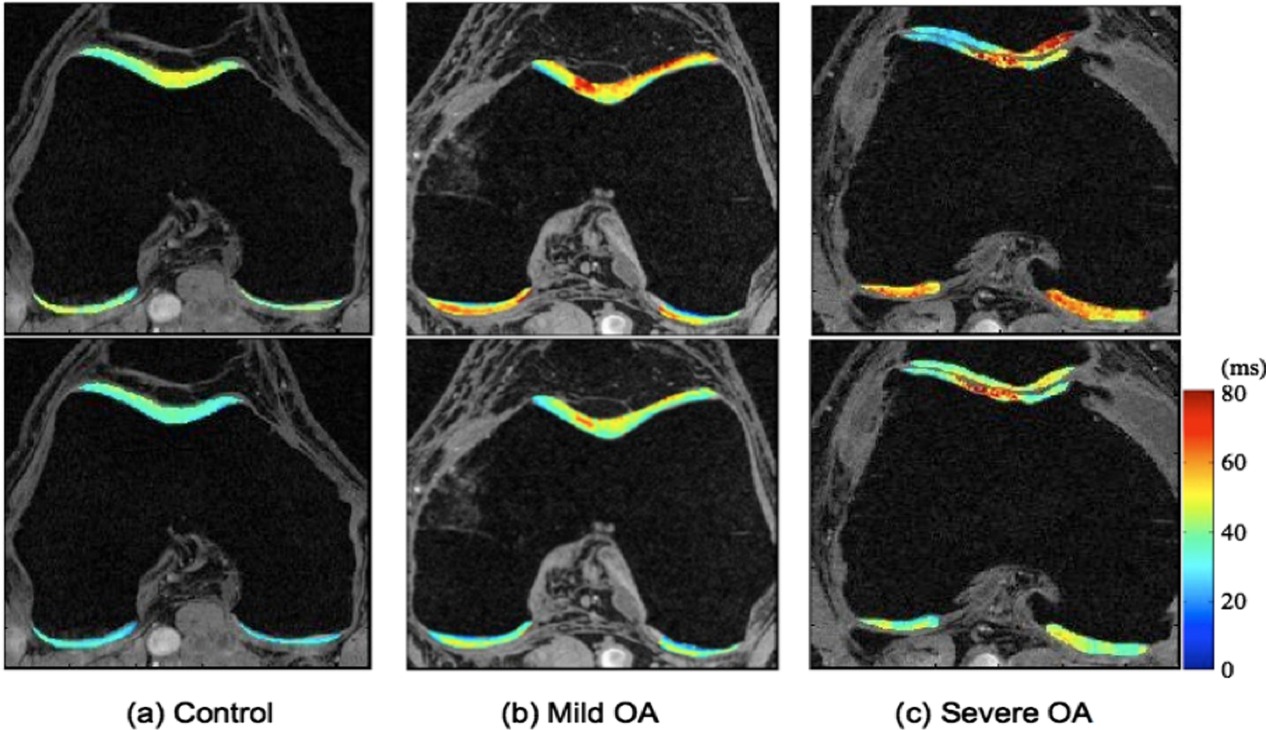
Quantitative Magnetic Resonance Imaging (or quantitative MRI) enables information extraction that can can reveal diseases like liver disease (Fatty liver disease, MASH or MASLD). It involves processing DICOM files. These files are not designed for data-intensive distributed computing. Using Compute Web App (aka CWA), one can overcome this limitation and, paired with a well chosen PACS (Picture, Archiving and Communication System) software, get a complete intensive and data processing software suite “on premise” or in the Cloud. This work has been initially done for SoQut Imaging. Finally, why not combining CWA with hMRI-toolbox, qMRLab or PyQMRI?
Computational Electromagnetics
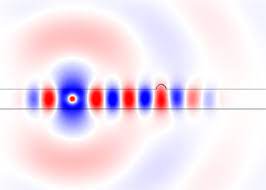
Running heavy algorithms like MEEP FDTD to simulate electromagnetic structure may be time and resource consuming. Using CWA enables one to optimise time and efficiency for large simulations campaigns. Send simulations parameters, run them and retrieve results.
Artificial Intelligence Model Training
Training an Artificial Intelligence model may be time and ressource consuming. One can choose a adequate server designed for High Performance Computer (HPC), deploy CWA on it to send data, control and monitor processes designed with Keras, PyTorch or TensorFlow. Send training data with consistent parameters, run model training, retrieve resulting model and it’s done!